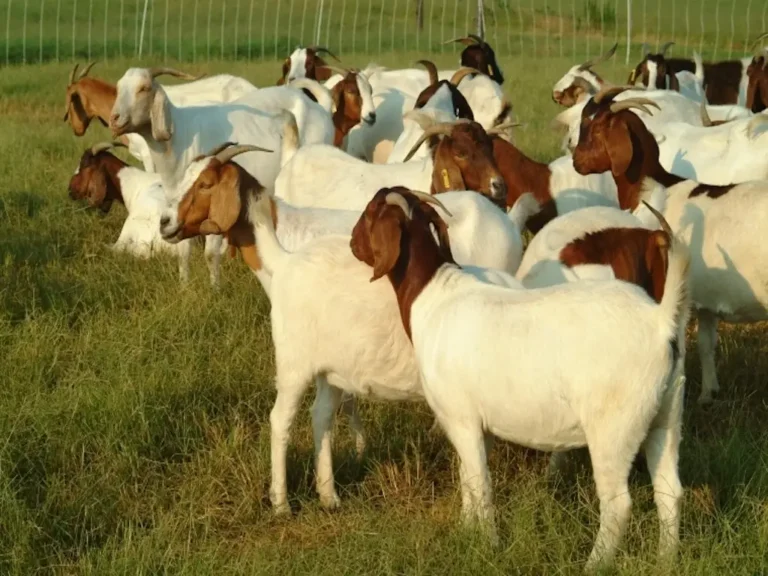
GOAT FARMING Project

A Sustainable Development Program

WHAT

Goat Farming Project

The Goat Farming Project is a sustainable livelihood initiative designed to support underprivileged families by providing them with income-generating livestock assets instead of one-time financial aid.

Each selected family is supported through a Goat Set, consisting of one male goat and three female goats, managed under the foundation’s supervision. The project enables families to earn regular income while gradually building long-term assets, helping them move towards self-reliance.

WHAT

Goat Farming Project

The Goat Farming Project is a sustainable livelihood initiative designed to support underprivileged families by providing them with income-generating livestock assets instead of one-time financial aid.

Each selected family is supported through a Goat Set, consisting of one male goat and three female goats, managed under the foundation’s supervision. The project enables families to earn regular income while gradually building long-term assets, helping them move towards self-reliance.

WHY

Investing in Long-Term Impact

Many deserving families struggle due to unstable income and lack of productive assets. Short-term aid provides temporary relief but does not break the cycle of poverty.

Goat farming is an ideal solution because:

  • Goats reproduce quickly and sustainably

  • Maintenance costs are relatively low

  • Goats have strong market demand

  • The model ensures continuous income and asset growth

This project transforms donations into a self-sustaining economic system, ensuring dignity, stability, and long-term financial independence for beneficiary households.

Give a man a fish, and you feed him for a day.
Teach a man to fish, and you feed him for a lifetime

HOW

Our Execution Plan

The success of the Goat Farming Project lies in its strategic approach. This model ensures both financial support and continuous asset growth for the family.

Livestock Growth Model
  • Each female goat gives birth to at least two kids per year.
  • With three female goats, a minimum of six kids are produced annually.
  • These kids are raised for approximately 12 months, reaching an estimated value of PKR 20,000 per goat.
  • The total estimated value of six goats after one year becomes PKR 120,000.
Income & Asset Distribution
  • In the first phase, 50% of the newborn goats are sold, generating approximately PKR 60,000.

  • This entire amount is given to the registered beneficiary household.
    (In the initial phase, no expenses are deducted.)

  • The remaining 50% goats are retained as assets.

Sustainable Cycle
  • In the following year, the retained goats again produce at least six new kids, resulting in 12 kids annually.

  • The household’s assets now include one male goat and six female goats.

  • Every year thereafter:

    • 50% of newborn goats are sold to provide regular income

    • 50% are added to the herd as assets

Join us in our mission

Chose Level of Donation

One Goat Set

1 male + 3 female goats

Monthly Membership

for 14 months

Under the monthly option, animals are purchased as soon as funds for each animal are completed.

About Us!

Established in 2008, RFI is a nonprofit organization dedicated to providing emergency relief and sustainable development programs to communities around the world, regardless of their backgrounds. At Relief Foundation International (RFI), we believe that everyone deserves access to basic necessities such as food, healthcare, education, and employment opportunities. 
Over the years, we have worked tirelessly to provide support to vulnerable communities and have provided assistance to those affected by natural disasters, poverty, conflict, and displacement. Our emergency relief efforts have included providing food, shelter, clothing, and medical assistance to those in need.
We are grateful to Allah (SWT) for the progress we have made since our establishment in 2008, and we remain committed to making a positive impact in the world. With the support of our donors and partners, we will continue to provide emergency relief and sustainable development programs to those in need.8